Updated:
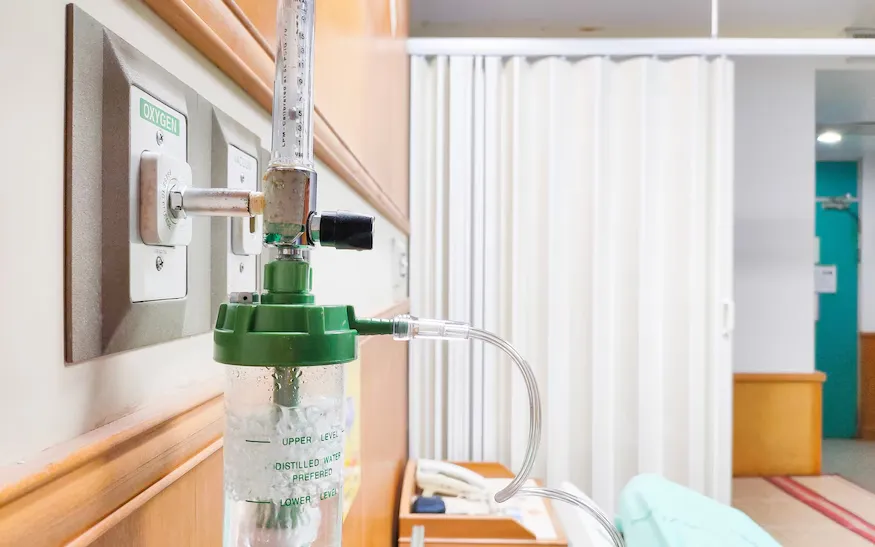
NFPA 99 is the US Health Care Facilities Code from the National Fire Protection Association. Despite the name, it is not only about fire: it covers medical gas and vacuum systems, electrical systems and risk categories in healthcare buildings. It is not mandatory in India, but some hospitals and consultants reference it for pipeline design and testing. When it is named, the edition in the project documents should be followed.
Summary at a Glance
| Topic | What it broadly addresses | Relevance to Indian projects |
|---|---|---|
| Gas and vacuum systems | Sources, distribution, alarms, outlets and testing | Referenced by some tenders for MGPS |
| Electrical systems | Power arrangements for patient care areas | Referenced by some consultants for OT and ICU design |
| Risk categories | Classifying systems by the consequence of failure | Helps prioritise redundancy decisions |
Relevant chapters for hospital infrastructure
For hospital infrastructure, the chapters most often referenced are:
- Gas and vacuum systems
- Electrical systems
- Health care facility risk categories
Use in Indian projects
NFPA 99 is a US code. Some Indian hospitals and consultants reference it for MGPS design and testing. The edition specified in the project documents should be followed.
How a risk-based approach helps planning
NFPA 99 encourages hospitals to think about what happens if a system fails and who would be affected. This way of thinking is useful even where the code is not formally adopted: it helps a hospital decide where backup supplies, alarms and isolation valves matter most.
Points to confirm in the tender
If NFPA 99 is named, the tender should state the edition, which chapters apply and whether local requirements take priority where they differ. Without this, bidders may assume different scopes.
Documents to request before handover
For gas, vacuum and related systems, agree the handover documents at the start of the project rather than at the end. Typical items include as-built drawings, test and commissioning records for the supplied scope, operating and maintenance instructions, and contact details for service support. Agreeing the list early lets the hospital check each item at handover and keeps records ready for future audits, extensions and maintenance work.
Questions to ask suppliers
Asking every bidder the same questions makes quotations easier to compare and reveals gaps in scope before an order is placed:
- Which NFPA 99 edition and chapters does your proposal follow?
- How have you identified critical areas and their backup arrangements?
- What testing will be carried out before patient use?
- Where does your proposal follow local requirements instead of the code?
Key points to remember
A short checklist to take into your next design or procurement meeting:
- NFPA 99 covers healthcare systems, not only fire safety.
- It is a US code that Indian projects may reference voluntarily.
- State the edition and applicable chapters in the specification.
- Use a risk-based view to decide where backup supplies and alarms matter most.
- Clarify how local requirements apply where they differ.
Electrical planning alongside gases
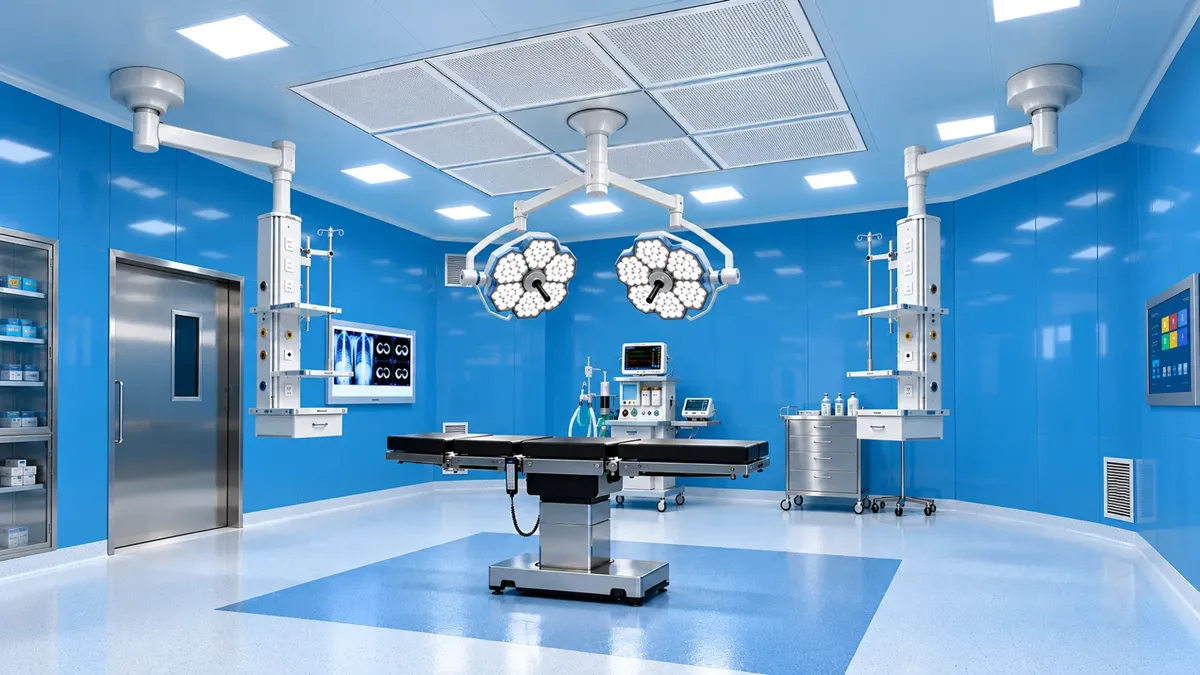
Operation theatres and ICUs depend on both medical gases and reliable power. Where a project references NFPA 99, the gas and electrical consultants should review critical areas together, so pendants, bed head panels and theatre control panels are planned with consistent assumptions about supply and backup.
Important
This page is a general overview for planning purposes. It is not legal or regulatory advice. Always refer to the current official text of the standard or regulation and your hospital's accreditation consultant.
What this means for Indian hospitals
Steps for Indian hospitals referencing NFPA 99:
- State the edition and applicable chapters in the specification.
- Clarify how local statutory requirements apply alongside it.
- Identify critical areas such as OTs and ICUs where failure has the greatest impact.
- Ask bidders for a testing plan aligned to the named code.
- Keep commissioning and test records with the as-built drawings.
To turn these requirements into a working theatre, see our page for modular operation theatre manufacturers and the systems they integrate.
How Unicare helps
We plan medical gas and theatre work to the code your consultant specifies, including projects referencing NFPA 99.
Frequently Asked Questions
Does NFPA 99 apply only to fire safety?
No. Despite being published by NFPA, it covers healthcare systems including medical gases, vacuum and electrical systems.
Is NFPA 99 mandatory in India?
No. It is a US code that some Indian projects reference voluntarily through their specifications.
Does NFPA 99 cover operation theatre electrical systems?
It includes electrical systems for healthcare facilities, which consultants may reference for patient care areas.
Which edition of NFPA 99 should be used?
The edition named in the project documents, as confirmed by the hospital's consultant.