Updated:
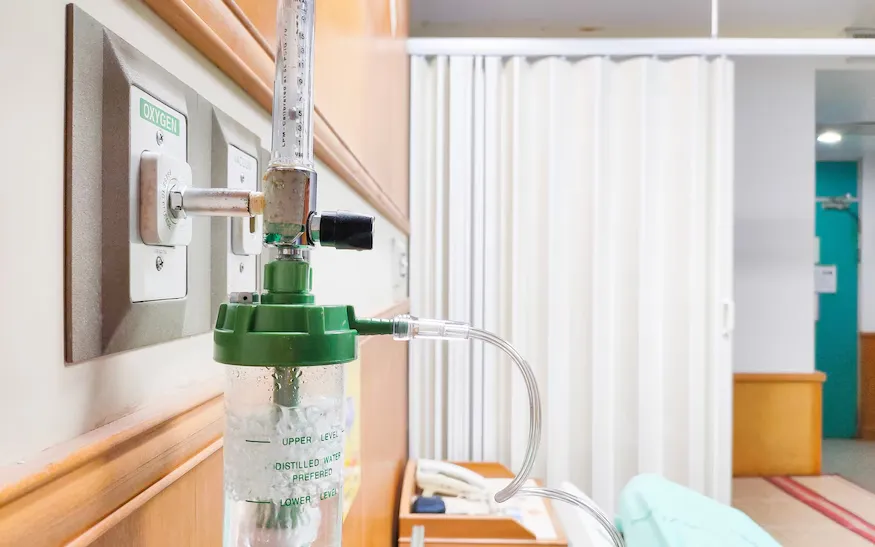
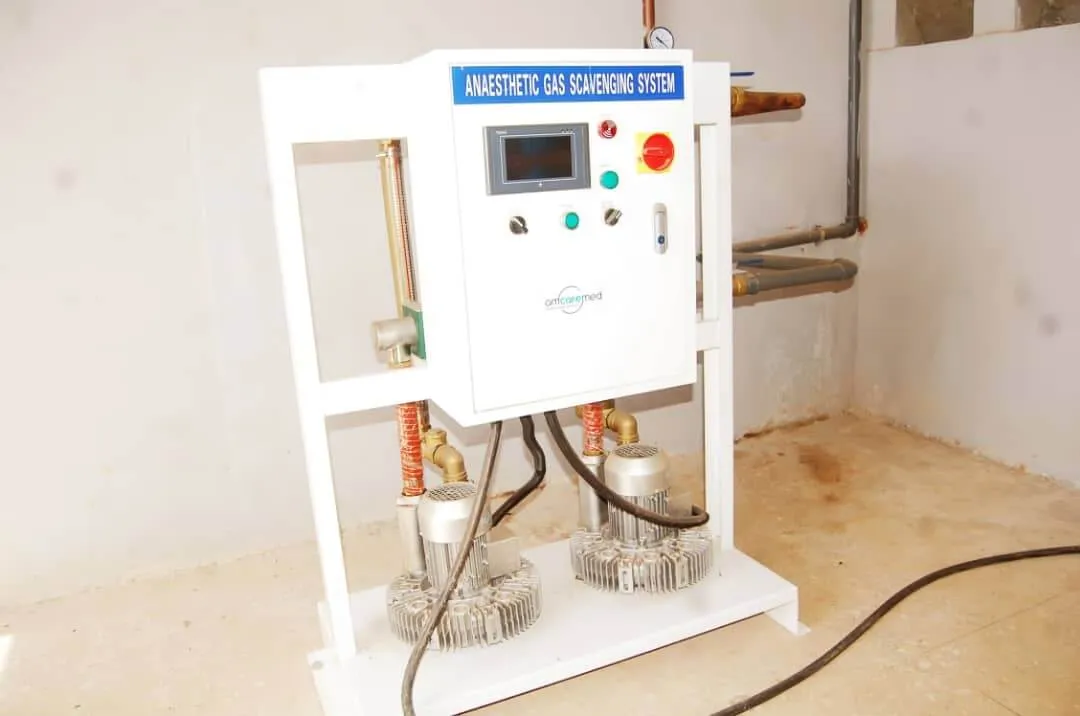
A medical gas pipeline system in India is usually designed to whichever recognised standard the hospital or its consultant names in the tender, most often ISO 7396-1, HTM 02-01 or NFPA 99. These documents broadly cover gas sources, pipeline materials, zoning valves, alarms, outlets and testing. The important step for a hospital is to name one standard and edition clearly, so every bidder designs and tests to the same requirement.
Summary at a Glance
| Standard | Origin | Typical use in Indian projects |
|---|---|---|
| ISO 7396-1 | International standard | Named in many tenders for pipeline design and testing |
| HTM 02-01 | UK Department of Health guidance | Referenced by some consultants for design and operational management |
| NFPA 99 | US Health Care Facilities Code | Referenced by some hospitals for gas and vacuum systems |
| ISO 9170-1 | International standard | Referenced for terminal units (outlets) |
Standards commonly referenced
The following documents are widely referenced for MGPS projects:
- ISO 7396-1 — international standard for medical gas pipeline systems for compressed medical gases and vacuum
- HTM 02-01 — UK Department of Health technical memorandum on medical gas pipeline systems
- NFPA 99 — US Health Care Facilities Code, which includes gas and vacuum systems
- ISO 9170-1 — terminal units for medical gas pipeline systems
What these standards broadly cover
Although each document differs in detail, they generally address:
- Source equipment and supply redundancy
- Pipeline materials, cleaning and jointing
- Area valve service units and zoning
- Alarm systems
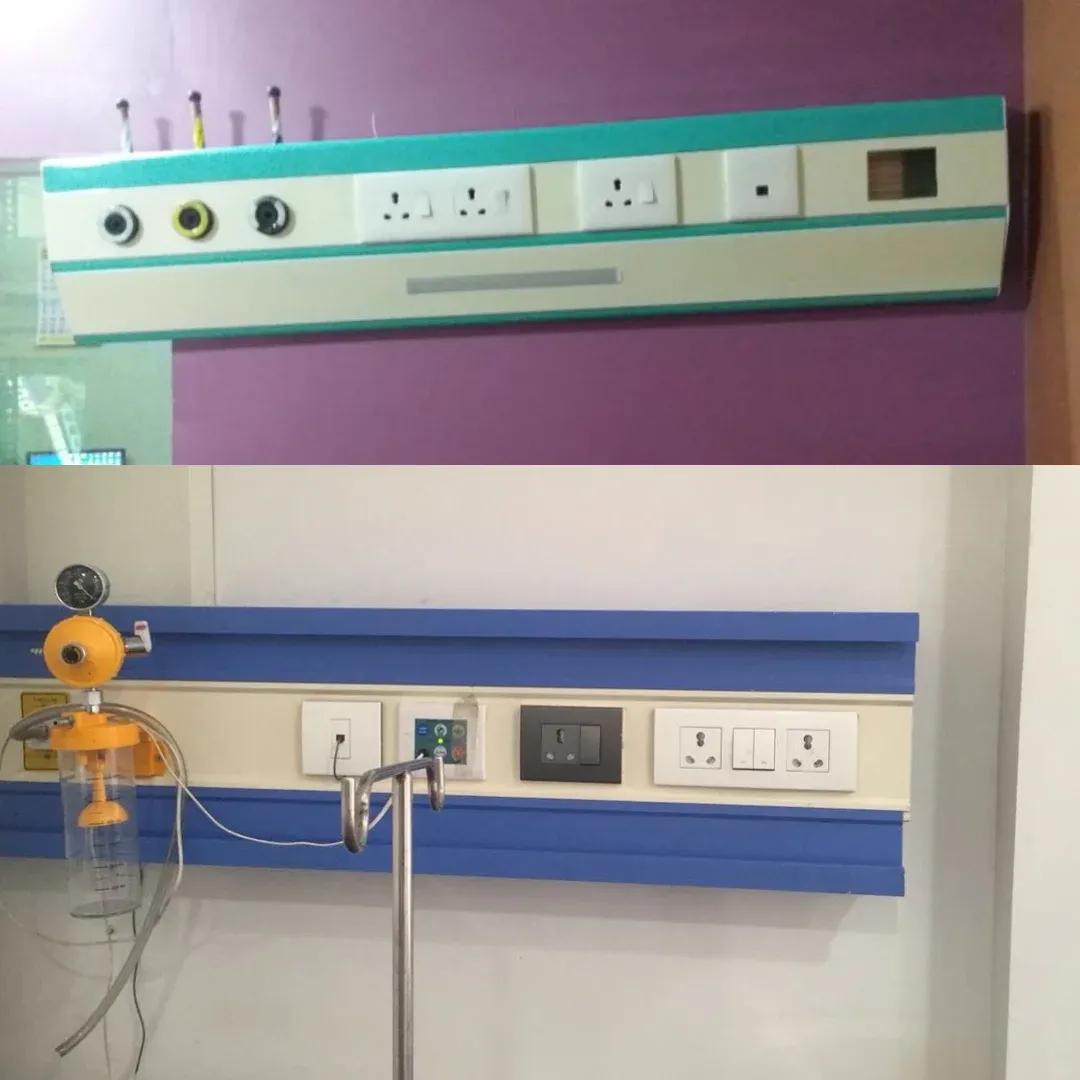
- Terminal units and gas-specific connections
- Testing, commissioning and documentation
Choosing a standard for your project
The applicable standard is normally set in the hospital's tender or by its consultant. Tell us which standard your project specifies and we will plan the system and its testing accordingly.
Why mixing standards causes problems
When a tender lists several standards without saying which one governs, bidders interpret it differently. One may size alarms and valves to one document and test to another. Comparing quotes then becomes difficult, and disagreements appear at commissioning. A single governing standard, with any agreed exceptions written down, keeps design, installation and testing consistent.
What the hospital still owns
Standards describe the system, but the hospital decides gas types, the number and location of outlets, source arrangements and who is authorised to operate the system after handover. These decisions belong in the brief before the pipeline design is drawn.
Documents to request before handover
For a medical gas pipeline system, agree the handover documents at the start of the project rather than at the end. Typical items include as-built drawings, test and commissioning records for the supplied scope, operating and maintenance instructions, and contact details for service support. Agreeing the list early lets the hospital check each item at handover and keeps records ready for future audits, extensions and maintenance work.
Key points to remember
A short checklist to take into your next design or procurement meeting:
- Name one governing standard and edition in the tender.
- Agree gases and outlet locations room by room.
- Ask every bidder for a testing and commissioning plan.
- Keep test records and as-built drawings together after handover.
Important
This page is a general overview for planning purposes. It is not legal or regulatory advice. Always refer to the current official text of the standard or regulation and your hospital's accreditation consultant.
What this means for Indian hospitals
Practical steps for Indian hospitals specifying a medical gas pipeline:
- Name one governing standard and its edition in the tender documents.
- List gases, outlet locations and quantities room by room.
- Decide the source arrangement, such as manifold room, cylinders or liquid oxygen, with the consultant.
- Ask every bidder for a testing and commissioning plan to the named standard.
- Plan statutory approvals for gas storage early, as advised by your consultant.
To turn these requirements into a working theatre, see our page for modular operation theatre manufacturers and the systems they integrate.
How Unicare helps
We design and install medical gas pipelines to the standard your project names, and plan testing accordingly. Related systems we supply are listed below.
Frequently Asked Questions
Which MGPS standard is used in India?
Projects in India commonly reference ISO 7396-1, HTM 02-01 or NFPA 99, as specified by the hospital or its consultant.
Why is MGPS testing important?
Testing confirms the pipeline is clean, leak-free, correctly identified and delivering the right gas at each outlet before patients are connected.
Can one project follow more than one MGPS standard?
It is better to name one governing standard and record any agreed exceptions, so design and testing are consistent.
Who decides which MGPS standard applies?
Usually the hospital or its consultant, through the tender or design brief.